Maintaining proper humidity levels is essential for ensuring good indoor air quality and promoting a healthy living environment. Excess moisture can lead to mold growth, dust mites, and other allergens that negatively impact respiratory health. Conversely, overly dry air can cause discomfort, skin irritation, and damage to wooden furnishings or musical instruments. Reliable humidity control solutions help balance these conditions by regulating moisture levels effectively throughout indoor spaces.
One of the most common methods for controlling humidity is through the use of humidifiers and dehumidifiers. Humidifiers add moisture to dry air when relative humidity falls below recommended levels, typically around 30-50 percent. These devices vary in type from ultrasonic models that produce a fine mist to evaporative units that use a wick filter to release water vapor gradually. Properly sized humidifiers ensure consistent output without over-saturating dive deeper into the topic here room, reducing risks such as condensation on windows or walls.
On the other hand, dehumidifiers remove excess moisture from areas prone to dampness or high humidity conditions like basements or bathrooms. They work by drawing warm air over refrigerated coils where water condenses and collects in a reservoir or drains away automatically. Modern dehumidifiers often include built-in hygrometers allowing users to set desired humidity targets with ease while maintaining energy efficiency through smart sensors and automatic shutoff features.
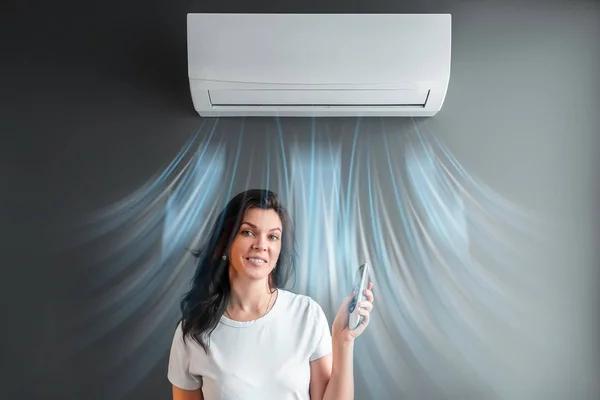
In addition to standalone devices, whole-home systems integrated into heating, ventilation, and air conditioning (HVAC) setups provide comprehensive humidity management across multiple rooms simultaneously. These systems monitor indoor conditions continually and adjust moisture levels accordingly without requiring manual intervention. By combining filtration with precise humidification or dehumidification functions within ductwork infrastructure, they contribute significantly toward improving overall indoor air quality.
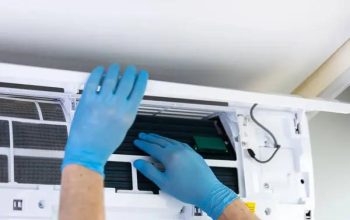
Beyond equipment selection, it’s important to adopt practical habits that support optimal humidity control indoors. Ventilating kitchens during cooking activities helps reduce steam accumulation while using exhaust fans in bathrooms prevents persistent dampness after showers. Regular maintenance such as cleaning filters on HVAC units ensures efficient operation while preventing buildup of contaminants that could degrade air quality further.
Reliable humidity control goes beyond comfort; it plays an integral role in safeguarding health by minimizing airborne irritants linked with improper moisture balance. Investing in appropriate technology tailored for specific environmental needs combined with mindful daily practices creates healthier interiors where occupants breathe easier and enjoy enhanced well-being year-round.