
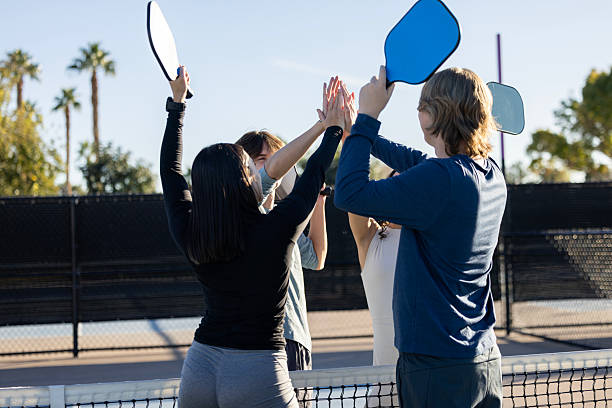
Pickleball has rapidly gained popularity across Texas, emerging as a unique sport that brings together diverse communities and fosters a strong sense of camaraderie. Its appeal lies in its accessibility and adaptability, allowing people of all ages and skill levels to participate. Unlike many traditional sports that require extensive training or physical prowess, pickleball offers an inclusive environment where beginners can quickly learn the basics while experienced players continue to challenge themselves. This inclusiveness has played a crucial role in uniting sports enthusiasts from different backgrounds throughout the state.
In cities large and small, from Houston to Austin and Dallas to San Antonio, pickleball courts have become vibrant hubs for social interaction. Community centers, parks, schools, and even retirement homes have embraced the sport by installing dedicated courts or repurposing existing facilities. These spaces serve not only as venues for games but also as meeting points where friendships are formed beyond competitive play. The casual nature of pickleball encourages conversation between matches, breaking down barriers that often exist in more formal sporting environments.
Local clubs and leagues have sprung up rapidly in response to growing interest. Organized tournaments attract players regionally while promoting friendly competition that strengthens community ties rather than divides them. Events texasopenpickleball.com often feature mixed doubles teams combining players from various age groups or skill levels, further emphasizing cooperation over rivalry. Such gatherings provide opportunities for mentorship as seasoned players share techniques with newcomers eager to improve their game.
The statewide enthusiasm for pickleball also reflects broader efforts within Texas to promote healthy lifestyles through accessible physical activity options. Public health initiatives recognize the sport’s potential benefits for cardiovascular fitness, coordination, and mental well-being without imposing intense physical demands typical of other sports like football or basketball. As a result, pickleball complements existing recreational programs aimed at encouraging active participation among residents who might otherwise remain sedentary due to age or mobility concerns.
Schools increasingly incorporate pickleball into their physical education curricula because it teaches important skills such as hand-eye coordination and teamwork while remaining enjoyable for students who may feel intimidated by traditional team sports. This early exposure helps cultivate lifelong appreciation for an activity that supports both individual growth and social connection.
Overall, the rise of pickleball across Texas illustrates how a simple yet engaging sport can bridge gaps between generations, cultures, and communities within the state’s diverse population. By providing an inviting platform where people come together purely for enjoyment and shared experience rather than intense competition alone, pickleball is fostering unity among Texans through recreation that is approachable yet rewarding at every level of play.